
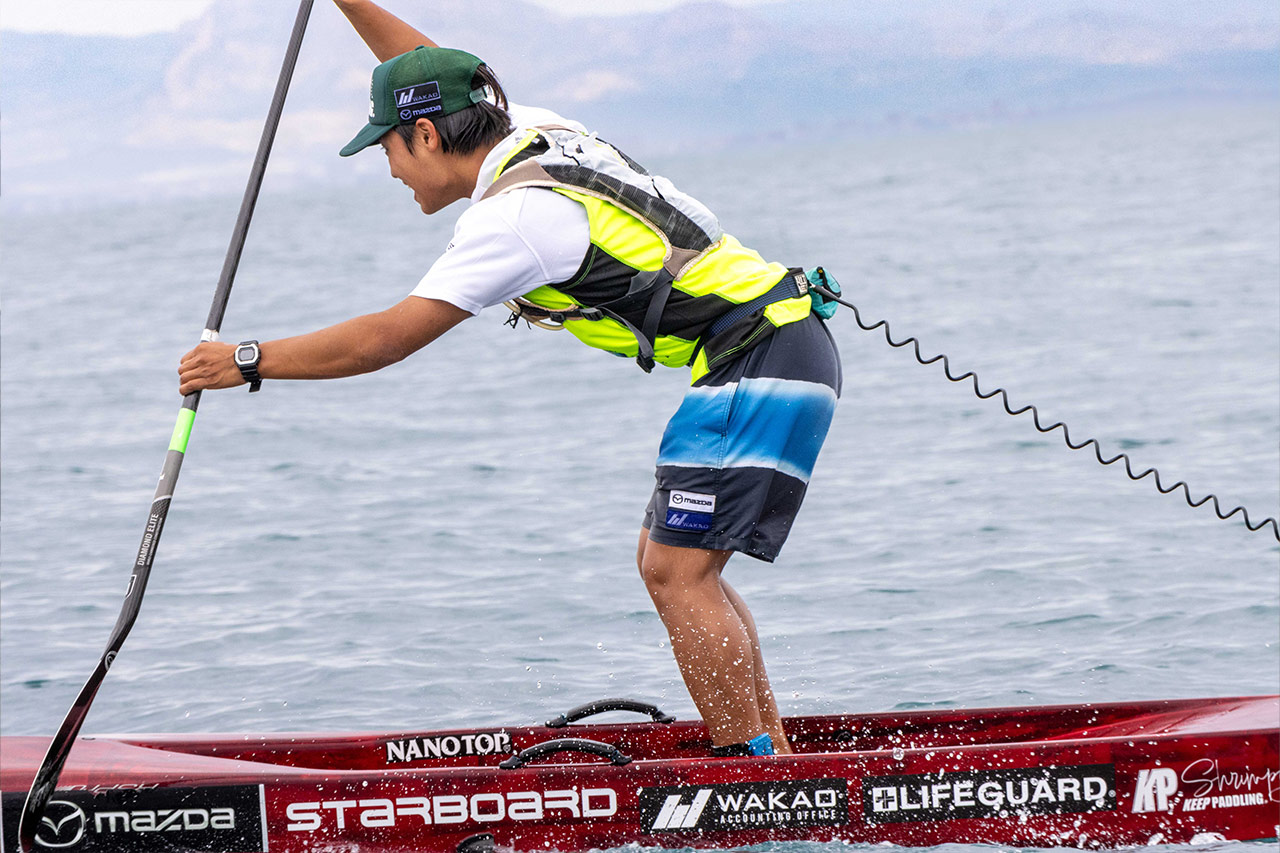
A narrower board changes how it moves through the water. But if you keep shifting your feet for balance, it is harder to sustain a quick, short stroke. The 14-foot KATANA and TSURUGI by Shuri and Takuji Araki address that tradeoff with different widths.
Two boards built around the same rhythm
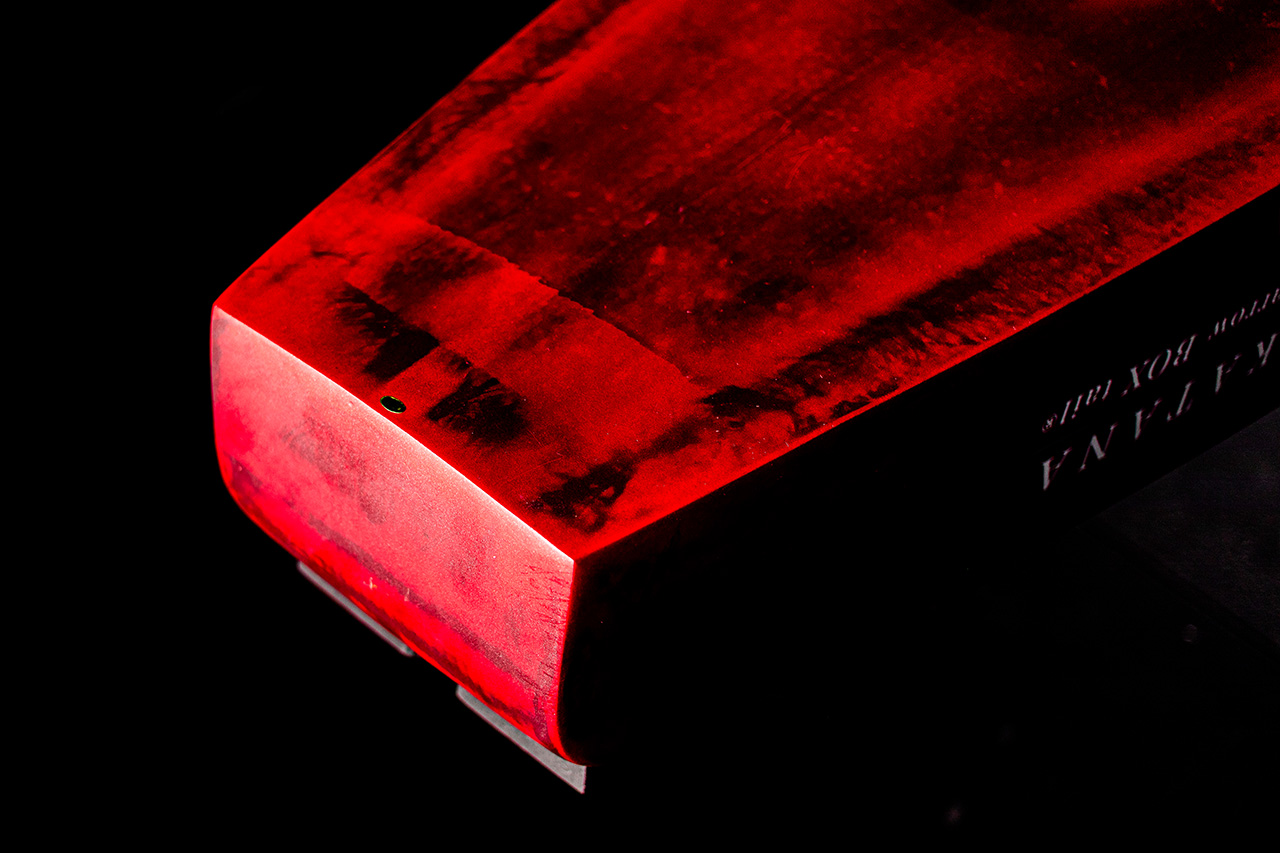
Both boards use the Narrow Box Tail and a recessed standing area. The tail is designed to load and recover with the stroke, while the sharp rear rails help it track. The widths change how much room and stability you have to sustain that rhythm.
The 20.5-inch KATANA and the three TSURUGI widths
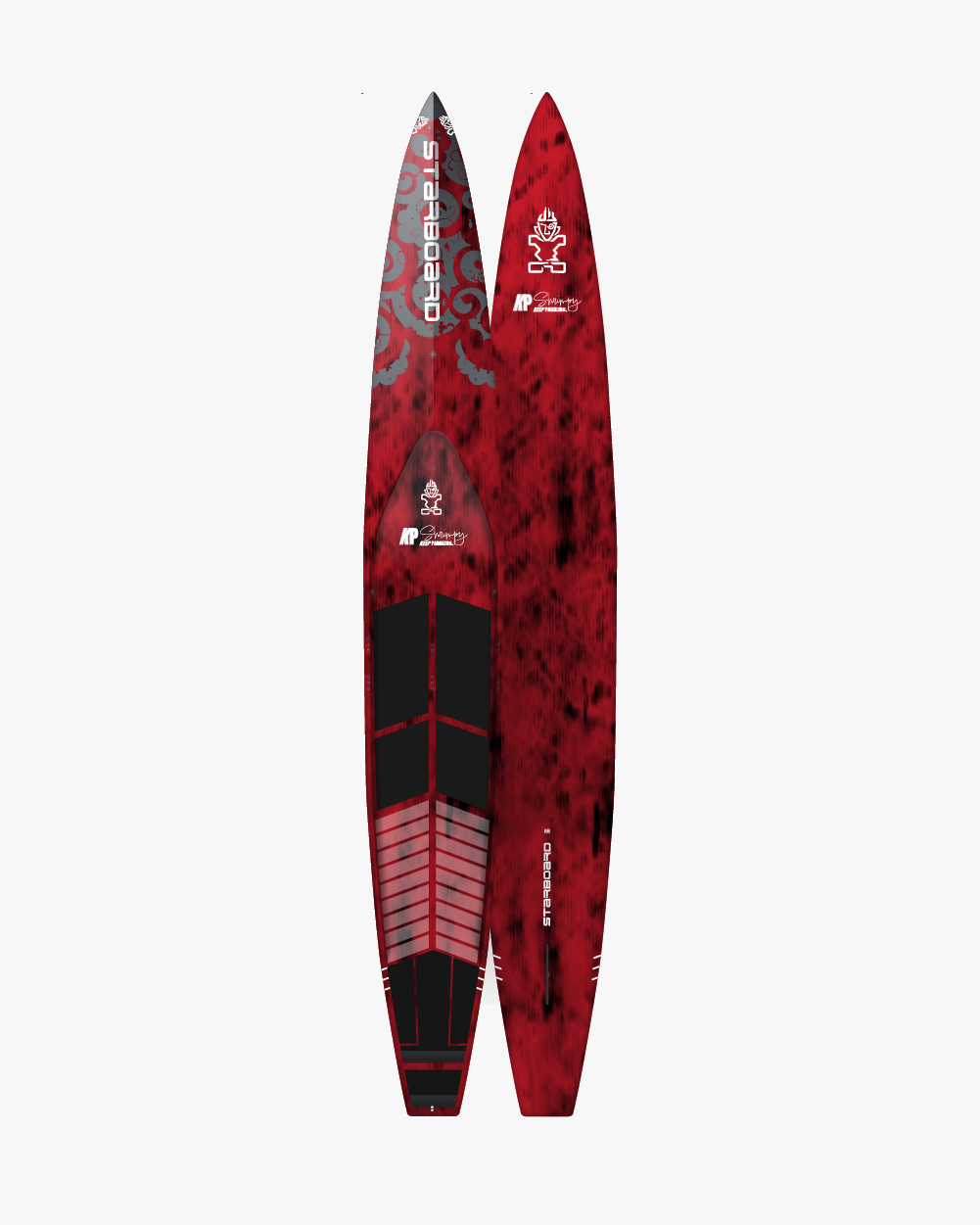
The KATANA is Shuri Araki’s 20.5-inch signature shape. It is designed to respond directly for racers who are comfortable on a narrow platform. The TSURUGI gives the same race concept more room for balance in widths of 21, 23 and 25 inches.
The boards share a visual family, but their offered widths differ. The four widths can be checked on the manufacturer and Korea product pages.
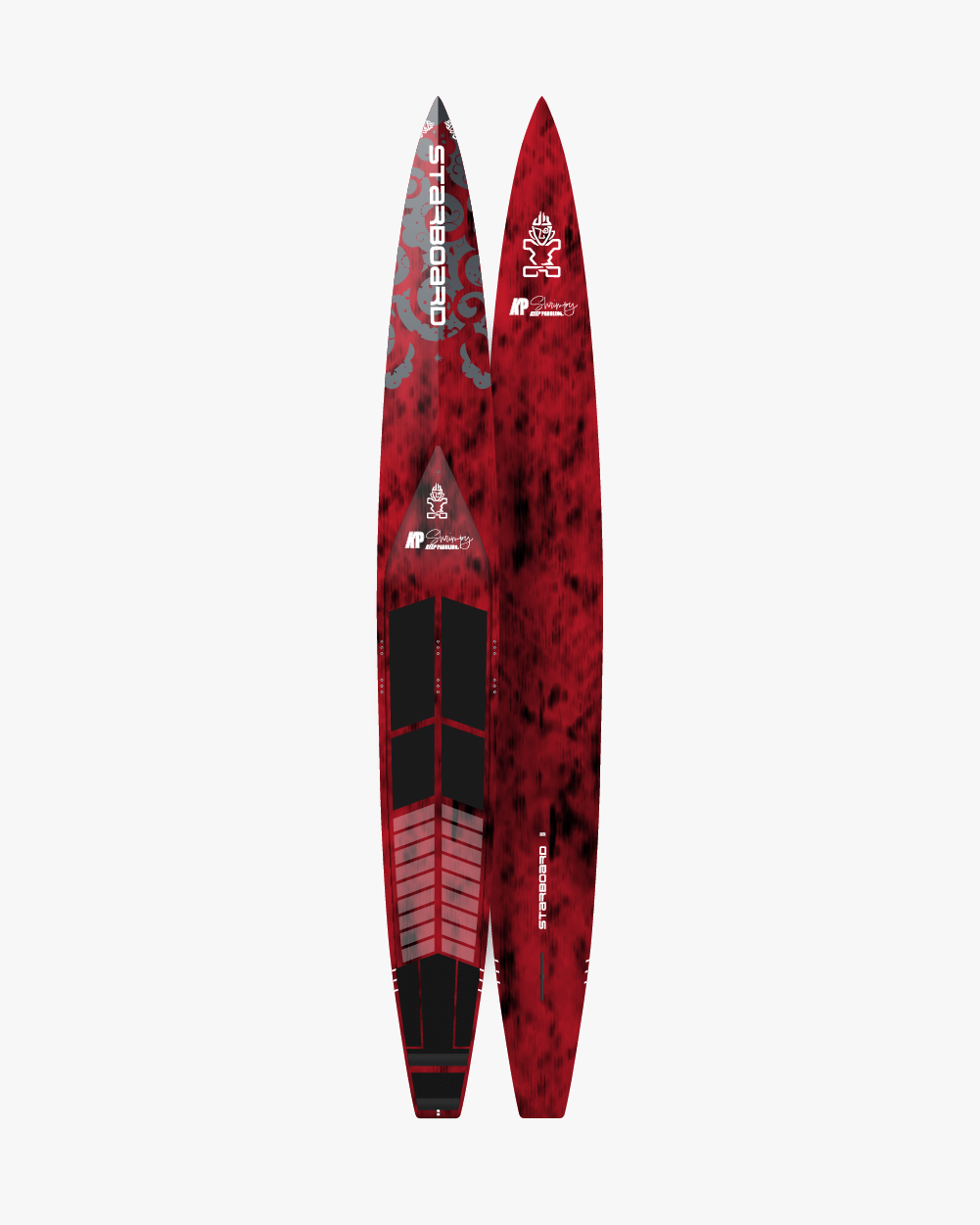
- KATANA
- 14′0″ × 20.5″
- TSURUGI
- 14′0″ × 21″ · 23″ · 25″
Which width lets you hold your rhythm?
Compare widths at a steady pace on the water you usually train on. Notice whether side chop makes you reset your feet, and whether you can resume the stroke immediately after a buoy turn. A brief top speed on flat water tells you something different from the rhythm you can hold around a course.
See Takuji and Shuri explain the design differences in the film. The KATANA propulsion article goes further into how the narrow tail relates to short strokes.